No. 5 7 min read
Abkhazia: The Black Sea Region That Wants to Stand on Its Own
What is Abkhazia, and why is its independence not widely recognized? Discover its war with Georgia, the mass displacement of people and Russia’s influence.

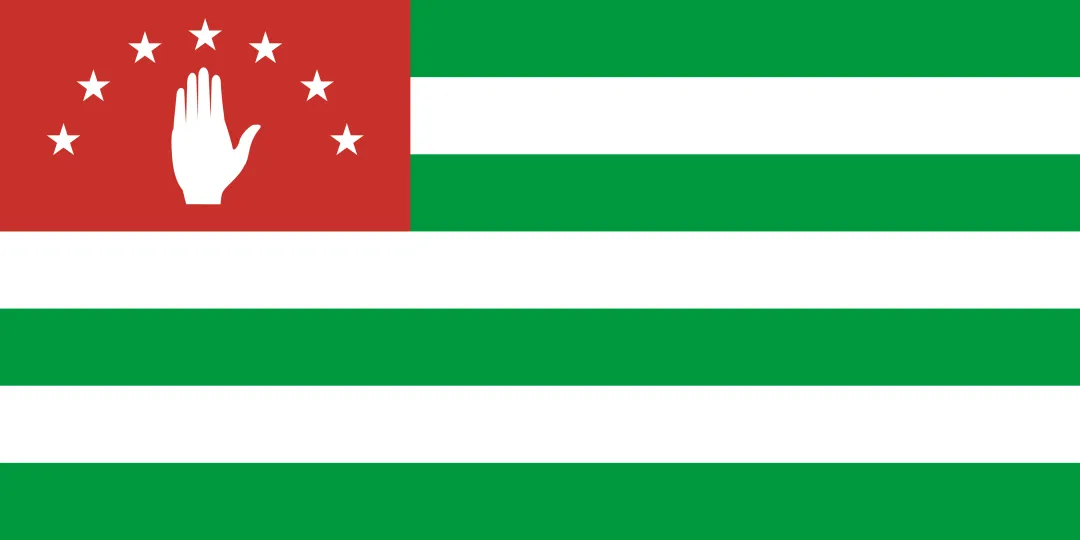
Imagine a region with beaches along the Black Sea, green mountains and old Soviet-era resort towns. A place that might look like just another holiday destination, but which hides a history of wars, forced displacement and an independence that almost nobody recognizes.
That place exists. It’s called Abkhazia.
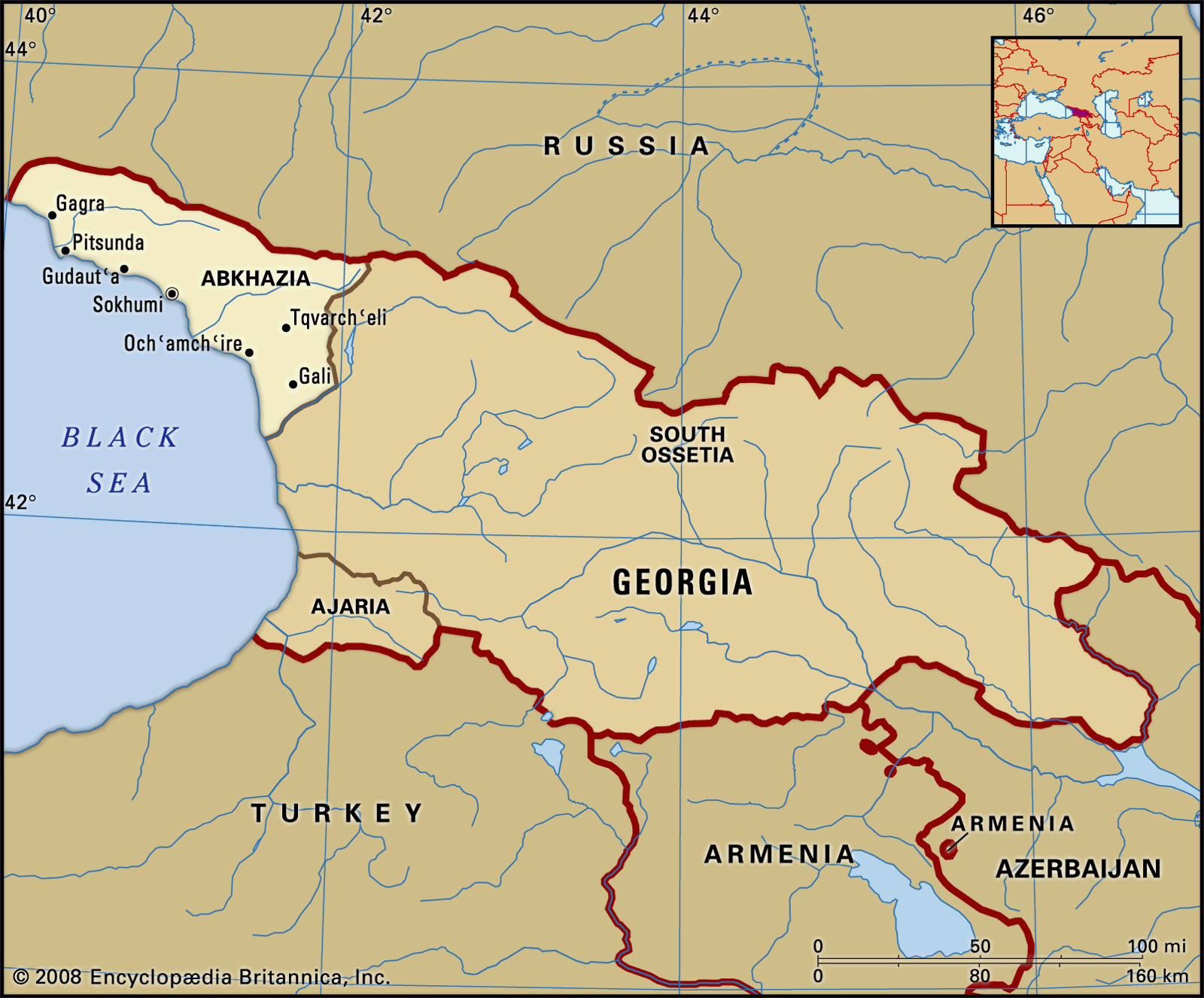
It lies in northwestern Georgia, but for more than three decades it has remained outside the Georgian government’s control. It has its own authorities and enjoys Russia’s backing, even though most countries consider it part of Georgia.
And here’s where things get interesting: Russia is essential to Abkhazia’s de facto independence, but that doesn’t mean every Abkhazian wants Moscow to have even more power over the region.
How did this contradiction come about? What happened during the war in the 1990s? And why, well into the twenty-first century, is this region still caught in a seemingly endless dispute?
Today, we’re heading to the Black Sea coast to find out.
Welcome to Historias Sin Portada.
A Region That Wants to Decide Its Own Future
Abkhazia lies on the eastern coast of the Black Sea, in northwestern Georgia. Its capital is Sukhumi, a city known for its seafront promenades and for having been a popular holiday destination during the Soviet era.
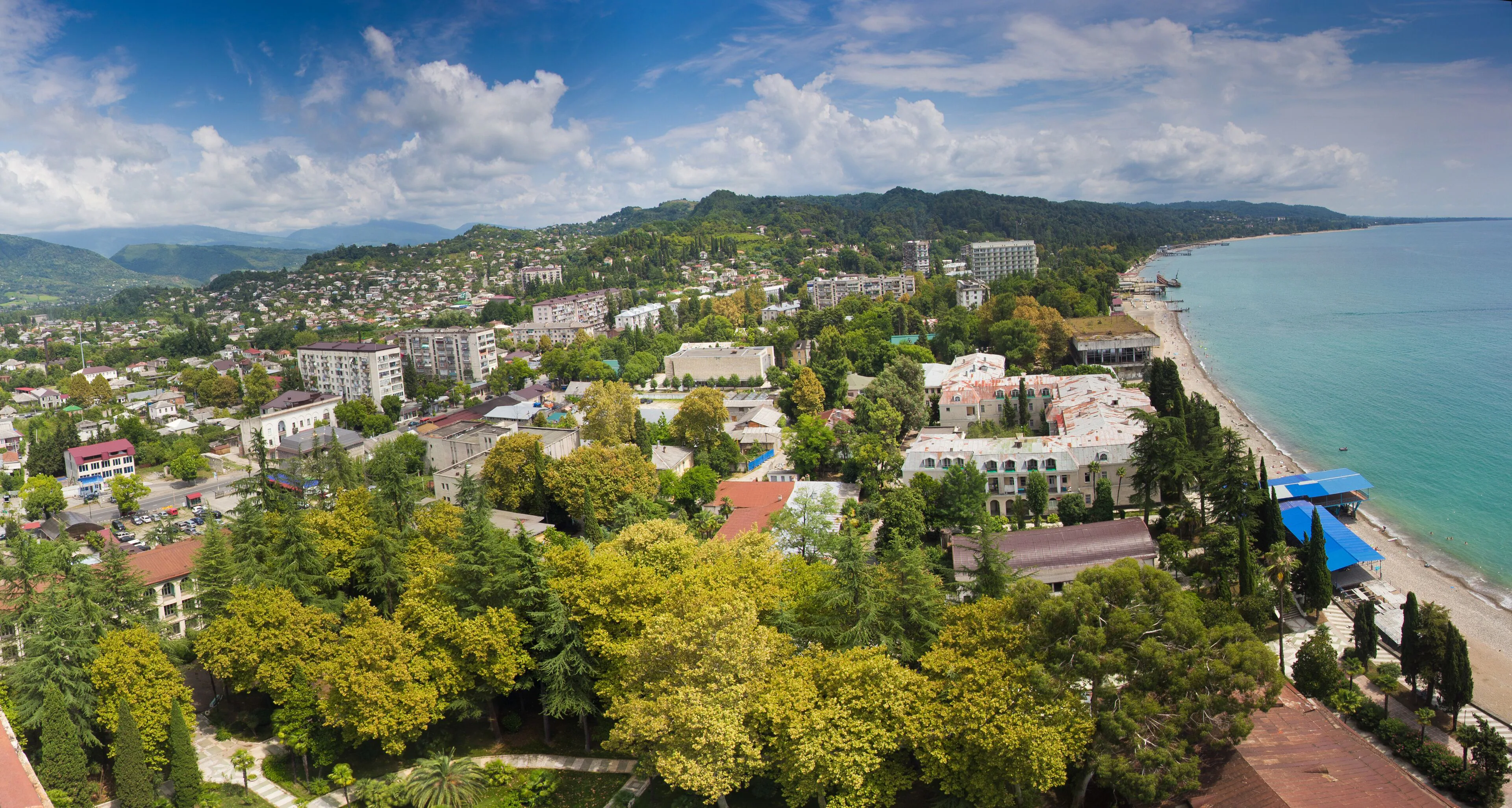
The region has its own identity, language and history. The Abkhaz are a people of the northwestern Caucasus, and their language is distinct from Georgian.
But, as we saw when discussing South Ossetia, having a distinct identity doesn’t mean there is agreement over whether a territory should be independent.
Georgia considers Abkhazia part of its sovereign territory. The Abkhaz authorities, on the other hand, defend their separation and enjoy Russia’s political and military support.
Most countries do not recognize Abkhazia’s independence. Moscow did so in 2008, following the Russia–Georgia war, and maintains a permanent military presence in the region.
Both the South Ossetian and Abkhaz disputes have their roots in the collapse of the Soviet Union, although each developed its own history.
And in Abkhazia, that history has been particularly tragic.
📚 For further reading: Abkhazia, South Ossetia and Nagorno-Karabakh: Unfrozen Conflicts Between Russia and the West
Source: OSW Centre for Eastern Studies, 2008
The Soviet Legacy That Ended in War
During the Soviet era, Abkhazia initially existed as a Soviet republic linked to Georgia. From 1931 onwards, it became an autonomous republic within Soviet Georgia.
For decades, the region had a diverse population: Abkhaz, Georgians, Armenians, Russians and other communities lived alongside one another. Relations between Abkhaz and Georgian identities, however, were marked by tensions over autonomy, political representation and the territory’s future.
When the Soviet Union began to fall apart, those differences became much harder to contain.
Nationalism grew in Georgia, along with the desire to regain independence. Part of the Abkhaz population feared that, within an independent Georgian state, their institutions and identity would be pushed into the background.
In July 1992, the Abkhaz authorities declared independence. The Georgian government rejected the move and, on 14 August, Georgian forces entered the region. The armed conflict began that same day.
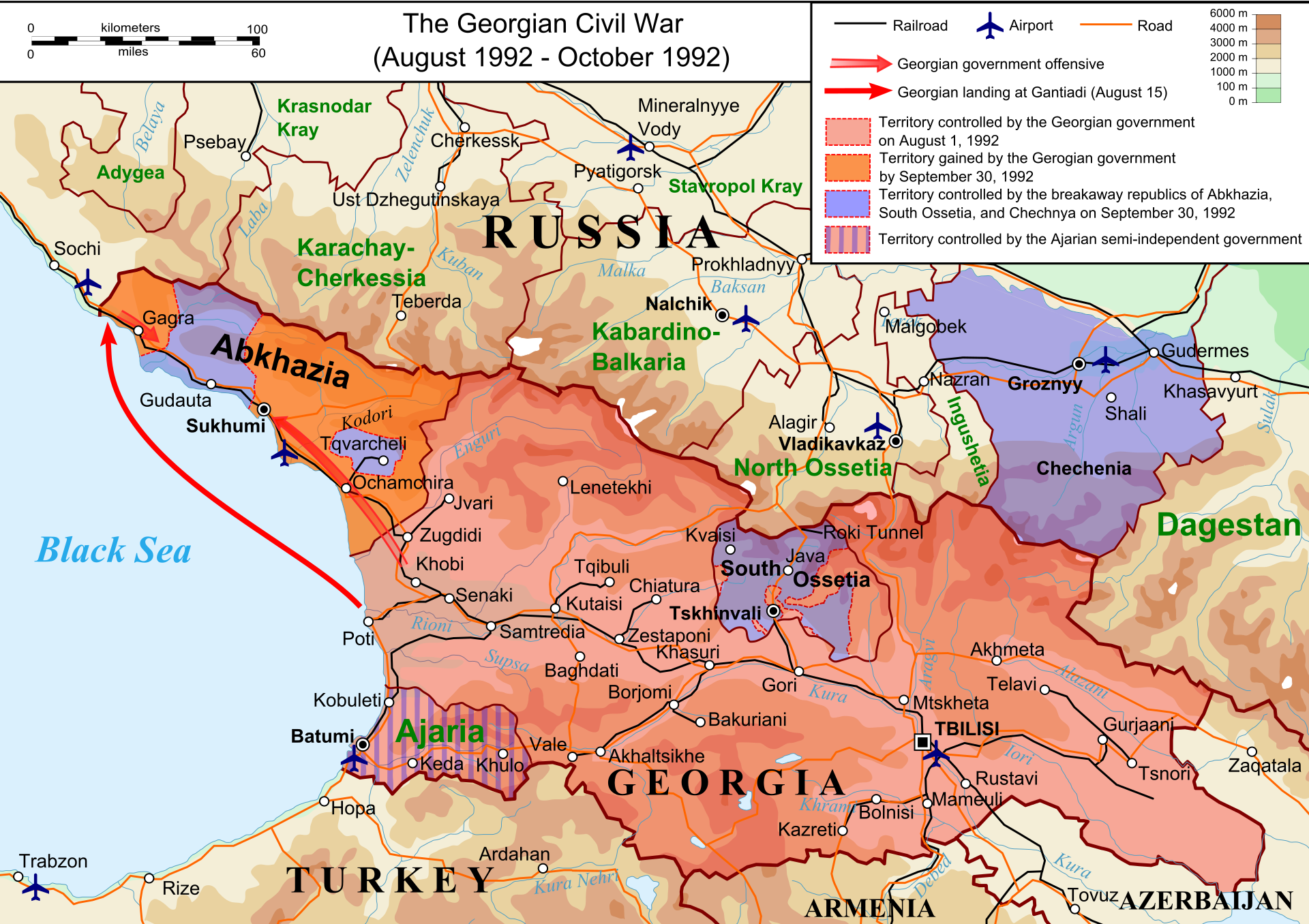
The war pitted the Georgian government against Abkhaz forces, who were also joined by fighters from other parts of the Caucasus. Russia’s role was complicated: it had military links with different actors, and the extent of its involvement remains a subject of historical debate.
What is clear is that the war lasted more than a year and had devastating consequences for civilians. Human Rights Watch’s detailed report on the conflict documents the fighting, abuses and the role of Russia.
And the worst was yet to come.
September 1993: The Fall of Sukhumi and the Mass Exodus
The decisive moment came in September 1993.
After months of fighting and failed negotiations, Abkhaz forces retook Sukhumi. The fall of the regional capital marked the defeat of Georgian forces across most of Abkhazia.
What followed left a wound that remains open to this day.
Thousands of civilians fled their homes. The Georgian population of Abkhazia suffered expulsions, killings and other forms of violence during the offensive and its aftermath. Other communities also experienced casualties and displacement.
International organizations documented serious human rights violations. United Nations resolutions addressed the displacement of people and called for the voluntary return of those forced to leave their homes. You can read the UN Secretary-General’s report on internally displaced persons and refugees from Abkhazia and South Ossetia.
It is important not to lose sight of what this meant: many people did not leave because they wanted to start over somewhere else. They left because staying could put their lives in danger.
A ceasefire was reached in December 1993, followed by a further agreement to separate the forces in May 1994. But ending the fighting did not resolve the conflict or allow most displaced people to return safely and permanently.
Abkhazia had managed to separate itself from Georgia on the ground. The human cost, however, was enormous.
Russia: An Indispensable Ally and an Uncomfortable Neighbour
After the war, Russia became the main supporter of the Abkhaz authorities. The region depends heavily on its economic ties with Russia, tourism from Russian visitors and Russian military protection.
In 2008, following the war between Russia and Georgia, Moscow formally recognized Abkhazia’s independence. Georgia condemned the move as a violation of its territorial integrity, and most of the international community continued to regard the region as part of Georgia.
Abkhazia’s position has an important complication, though. Many of its inhabitants want independence from Georgia, but that doesn’t necessarily mean they want to become fully integrated into Russia.
The distinction matters: Russian support has helped sustain Abkhazia’s separation from Georgia, but it also raises questions about how much real autonomy the region retains.
And that tension became particularly clear in November 2024.
The Protests That Brought Abkhazia’s Government to Its Knees
In autumn 2024, the Abkhaz government pushed for an agreement that would have made it easier for Russian companies to invest in the region, including through provisions affecting property development.
Supporters saw an opportunity to attract investment and economic activity. Critics feared that Russian investors would drive up housing costs, harm local businesses and strengthen Moscow’s influence even further.
The opposition took to the streets. In November, demonstrators occupied government buildings in Sukhumi and demanded the resignation of President Aslan Bzhania.
The crisis ultimately led to his resignation. The investment agreement was abandoned, and early elections were called.
📚 For further reading: Parliament in breakaway Georgian region votes against investment agreement with Russia
Source: Reuters, 2024
In March 2025, Badra Gunba won the second round of the presidential election. Georgia rejected the legitimacy of the vote in a territory it considers part of its sovereign state, while Russia backed the new leader.
The episode revealed an interesting paradox: Abkhazia depends on Russia to maintain its political position, but part of its population fears that this dependence could eventually limit its ability to decide its own future.
So, Is Abkhazia a Country?
Let’s answer the usual question!
In practice, Abkhazia has its own authorities and administers the territory it controls. But its independence is recognized by only a small group of states.
For Georgia, it remains part of its sovereign territory. For most of the international community, the conflict is still unresolved.
Any settlement will also have to address the situation of displaced people, their property rights and their ability to return home. Agreeing on a new border is not enough if the people who once lived there cannot return to a normal life.
Meanwhile, Abkhazia remains heavily dependent on Russia, and negotiations with Georgia are still stalled.
An Independence Caught Between Two Neighbours
Abkhazia is not simply a region that wants to break away from Georgia. It is a society with its own identity, a collective memory shaped by war and a complicated relationship with the power that has helped sustain its de facto independence.
Its history shares elements with South Ossetia and Transnistria, but the 1992–1993 war and the mass displacement of people give it a character of its own.
✦ IF YOU ENJOYED THIS STORY
Transnistria: A Frozen State on the Banks of the Dniester
Discover Transnistria, the breakaway region between Moldova and Ukraine. Explore its Soviet past, the 1992 war, the Sheriff business empire and its ongoing energy crisis.
Discover the story ↗And perhaps that is the biggest contradiction of all: Abkhazia wants to defend its right to decide its own future, but it does so while depending on a Russia that has its own interests in the Caucasus and the Black Sea.
How much room does Abkhazia really have to act independently? Can genuine independence exist when political and economic survival depends so heavily on a powerful neighbour?
For now, there is no easy answer.
Thanks for joining us for another story from Historias Sin Portada.