No. 4 6 min read
Samhain: How an Ancient Irish Tradition Became Halloween
Discover the history of Halloween, from Ireland's ancient Samhain traditions and ghostly turnips to the American trick-or-treating phenomenon.

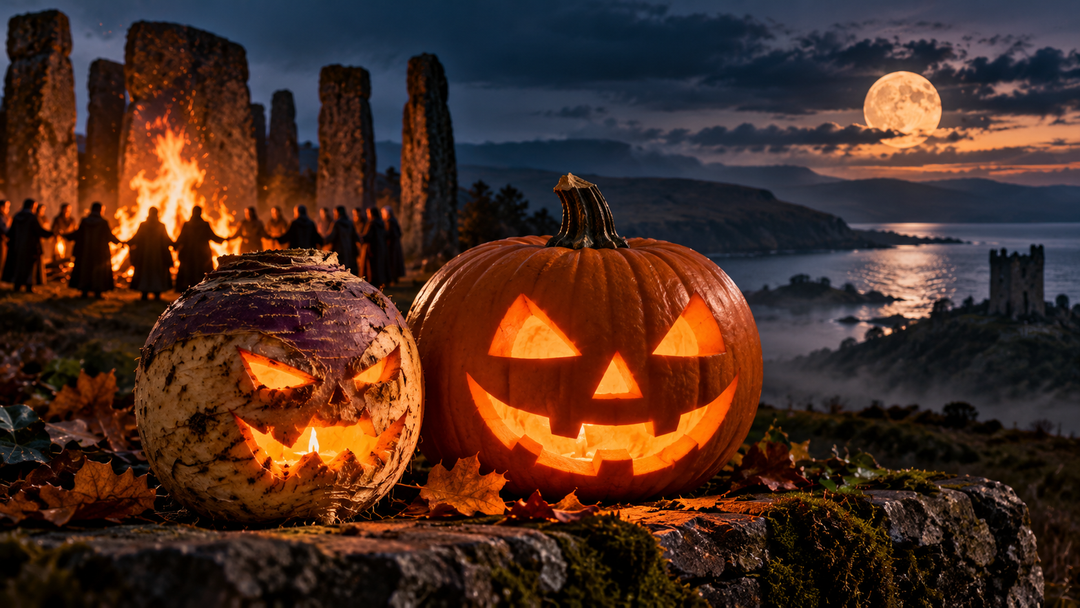
Every year, as October comes to its ending, Ireland gets ready for Halloween. Bonfires are lit, costumes appear in shop windows, children start planning their trick-or-treat routes and supermarkets seem determined to turn absolutely everything into a pumpkin.
But behind the sweets, skeletons and inflatable decorations lies a much older story. One that takes us back to Ireland, long before Halloween became a global commercial phenomenon.
Living in Ireland, it's particularly interesting to see how many familiar Halloween traditions have roots in the island's folklore. Although, as we'll discover, the history isn't quite as straightforward as the usual story about ancient Celts and wandering spirits might suggest.
So, let's go back to the beginning.
Welcome to Historias sin Portada.
Samhain: The beginning of winter
Long before the word Halloween existed, Ireland marked an important moment in the traditional calendar: Samhain (pronounced roughly Sow-in).
Traditionally associated with the beginning of winter, Samhain marked the end of the harvest season and the transition into the darker months. For agricultural communities, this was a significant time of year. Crops had been gathered, livestock needed attention, and preparations had to be made for the long winter ahead.
According to the National Museum of Ireland, Samhain was traditionally marked on 1 November, with most celebrations taking place on the evening before.
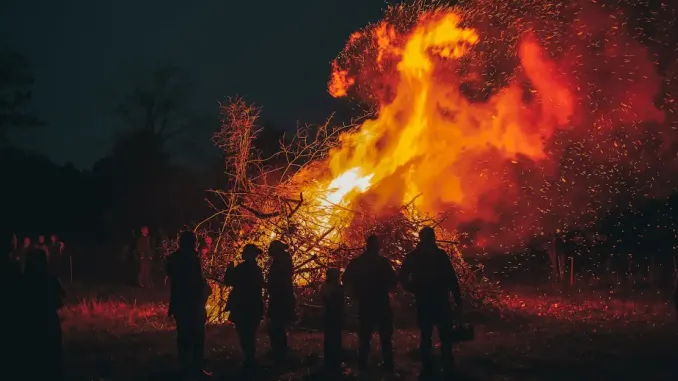
It was also surrounded by folklore and supernatural beliefs. The dead were thought to return to their family homes, while fairies and other supernatural beings were believed to be particularly active.
However, there's an important historical distinction worth making. The popular idea that Samhain was definitely the ancient Celtic New Year and a major festival of the dead is not as firmly established as many modern accounts suggest.
Historian Ronald Hutton explores these claims in his academic study The Celtic New Year and Feast of the Dead, arguing that the historical evidence for these particular interpretations is inconclusive.
That doesn't make Samhain any less important. It simply means that folklore, later traditions and historical evidence shouldn't all be treated as the same thing.
From Samhain to Halloween
The word Halloween actually has Christian origins. It comes from All Hallows' Eve, meaning the evening before All Saints' Day, celebrated on 1 November. All Souls' Day follows on 2 November, when the Christian tradition remembers the dead.
Over the centuries, Christian observances and local customs developed alongside one another. Different parts of the British Isles had their own traditions involving disguises, food, prayers and visits from house to house.
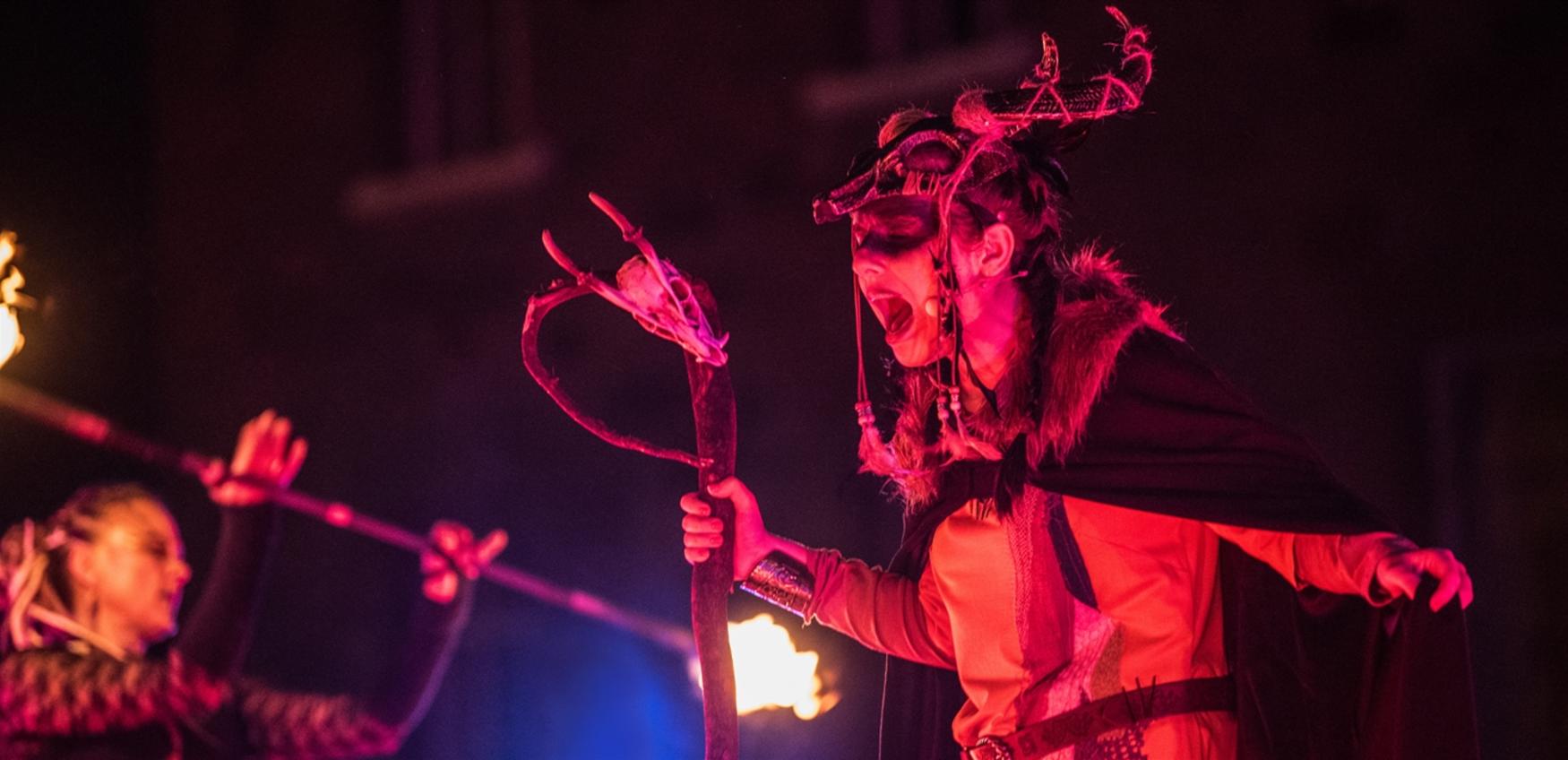
In some parts of Europe, one such custom was souling. Poor people would visit wealthier households and receive small cakes, known as soul cakes, in exchange for prayers for the dead.
In Ireland and Scotland, another practice became popular: guising. People, often children, dressed up in disguises and visited neighbouring houses, performing songs, poems or jokes in exchange for food or small gifts.
It's tempting to imagine that the Church deliberately moved All Saints' Day to replace Samhain, but historians cannot establish that so neatly. The relationship between these celebrations is more complicated, involving centuries of religious and cultural change.
What matters is that many local customs survived, evolved and eventually became part of what we now recognise as Halloween.
Before pumpkins, there were turnips
Here's something that might surprise anyone who associates Halloween exclusively with orange pumpkins: the traditional Irish Halloween lantern was often made from a turnip.
People carved frightening faces into turnips, placed candles inside and used them to illuminate windows or frighten neighbours. The National Museum of Ireland has documented these lanterns alongside other traditional Halloween customs, including fortune-telling games, masks and stories about the púca, a shape-shifting creature from Irish folklore.
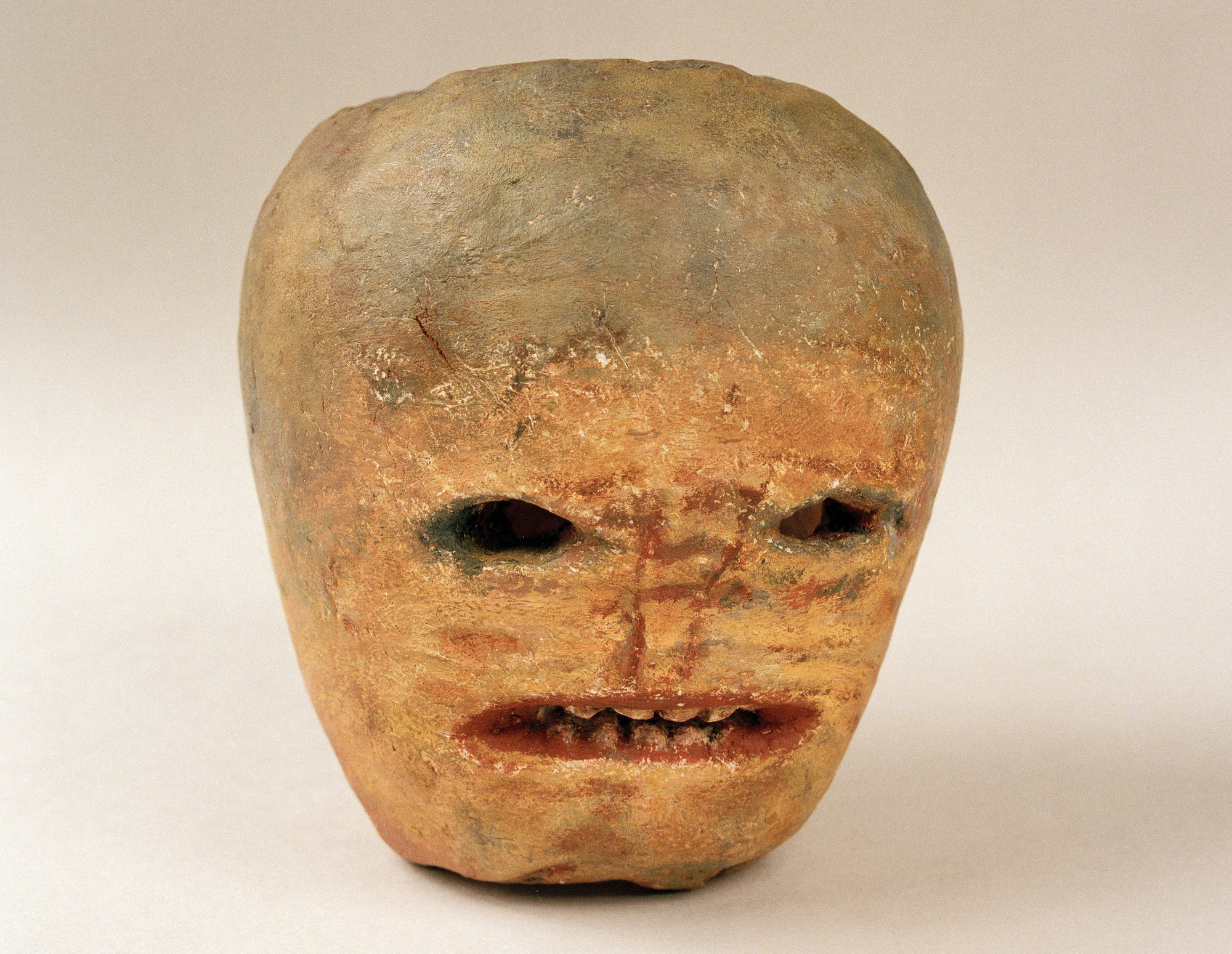
The lantern tradition is also associated with the story of Jack O'Lantern. In the best-known version, Jack is condemned to wander with a light because neither Heaven nor Hell will accept him.
When Irish emigrants brought their customs to North America, pumpkins gradually became the preferred option. They were more widely available and considerably easier to carve than turnips.
A practical improvement, really. Anyone who has ever tried carving out a turnip will probably agree.
Ireland crosses the Atlantic
During the nineteenth century, millions of Irish people emigrated, particularly during and after the Great Famine of the 1840s.
They carried their language, music, traditions and stories with them. Halloween was among the customs that travelled across the Atlantic, especially as Irish and Scottish communities settled in North America.
Of course, they weren't the only influence. Other European traditions also contributed to the celebrations that developed in the United States.
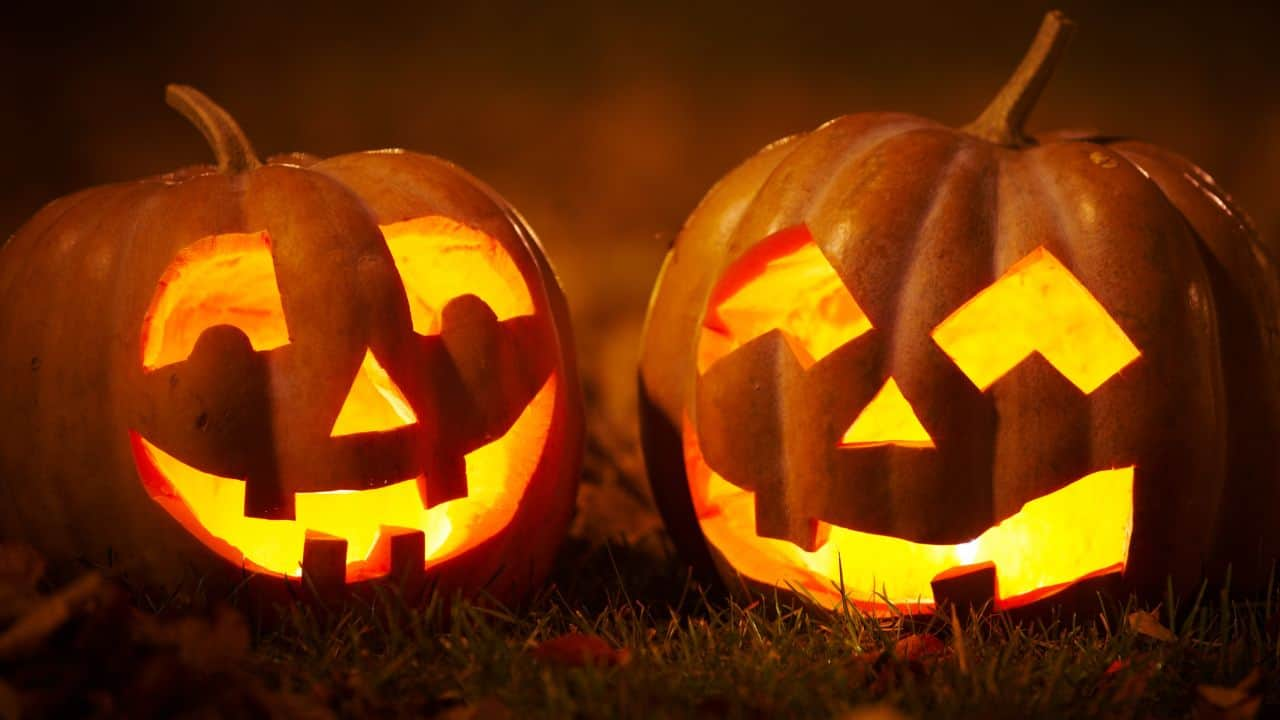
Disguises, neighbourhood gatherings, pranks and visits between households gradually took on a new identity. The pumpkin became the familiar Halloween symbol, and the celebration began evolving into something quite different from its traditional Irish form.
In a way, Halloween didn't simply travel to America. It reinvented itself there.
Trick-or-treating: From old customs to American tradition
The famous phrase trick or treat is relatively modern, even though the practice has much older influences.
The Scottish and Irish tradition of guising, where visitors performed something in exchange for a treat, is one important part of its background. English souling and other European customs also contributed to the wider history of going door to door.
In the United States, Halloween pranks became increasingly common during the early twentieth century. Some celebrations got rather out of hand, with vandalism and mischief becoming a problem in certain communities.
Organised neighbourhood activities offered a more family-friendly alternative. The phrase trick or treat began appearing in the 1920s, and the custom became firmly established after the Second World War.
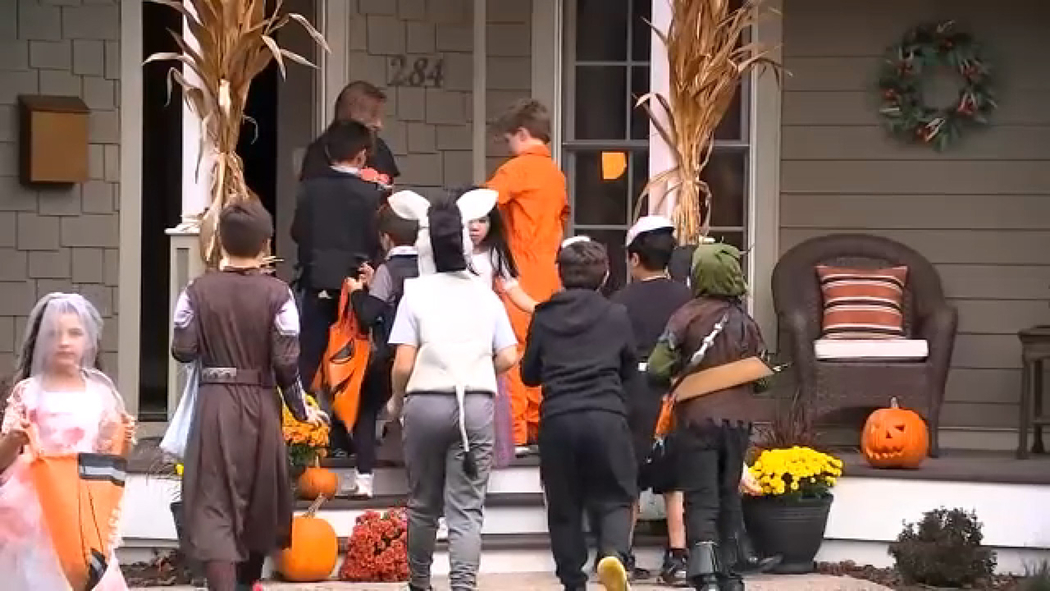
As Smithsonian Magazine explains, the end of wartime sugar rationing, the growth of suburban neighbourhoods and the availability of individually wrapped sweets all helped the practice spread.
Then came television, films, costumes and advertising. Halloween became a major commercial celebration.
A tradition that once involved turnips, storytelling and a few local pranks had become a perfect opportunity to sell enormous quantities of chocolate.
Capitalism, it seems, isn't particularly afraid of ghosts.
Halloween comes home
American films and television helped spread the modern version of Halloween around the world. The familiar images of pumpkin-filled porches, elaborate costumes and children knocking on doors became increasingly popular outside North America.
But Ireland is an interesting case because Halloween never simply disappeared and then returned.
Many local traditions continued to be practised, although they changed over time and varied from one region to another. American influences gradually became part of the celebrations, adding commercial costumes, themed parties and the familiar trick-or-treating experience.
And plenty of traditional Irish elements are still around.
There's the báirín breac (or barmbrack), the fruit loaf traditionally associated with Halloween, sometimes containing small objects said to predict a person's future. There's also colcannon, apple-based games, bonfires and the stories of supernatural creatures that have been part of Irish folklore for generations.
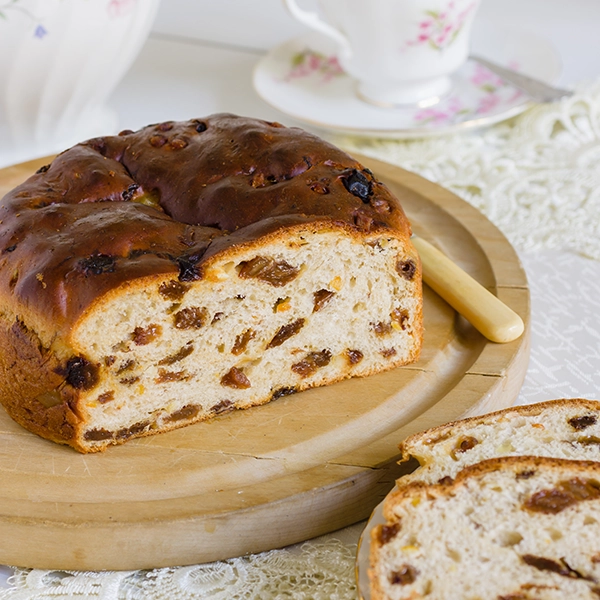
The National Museum of Ireland's guide to Halloween traditions is well worth exploring if you'd like to discover more about these customs.
Today, Halloween in Ireland is a mixture of local heritage, religious history and modern popular culture. And perhaps that's what makes it so interesting.
The next time you see a carved pumpkin outside a house, remember that its story connects rural Ireland, nineteenth-century emigration and the rise of American popular culture.
And living in Ireland, it's fascinating to see how something with such deep local roots has become a celebration recognised almost everywhere.
So, if a little devil knocks on your door this Halloween asking for sweets, you know what to do. Give them a handful and send them on their way.
No need to summon the ancient Druids.
Although, just to be safe, make sure it's not the neighbour whose pumpkin you stole last year 😋