No. 3 7 min read
South Ossetia: The Territory Georgia and Russia Have Been Fighting Over for Decades
What is South Ossetia, and why is its independence not widely recognized? Discover its conflict with Georgia, the 2008 war and Russia’s role.

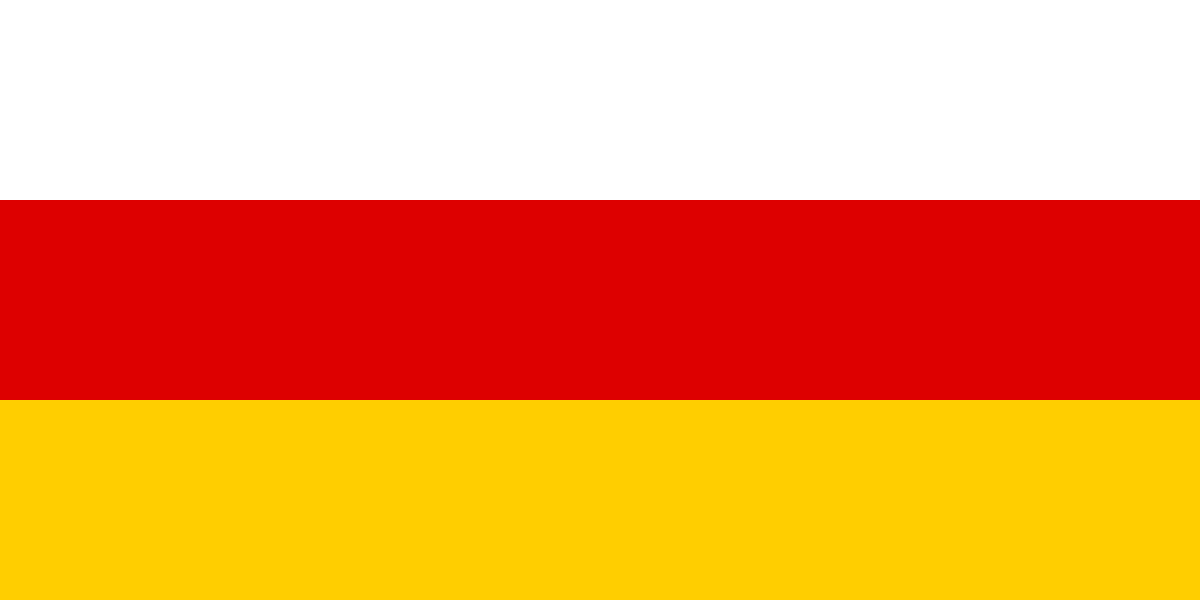
As we saw in our first article about Transnistria, there are places that appear on maps, have their own authorities and even hold elections, yet whose independence is recognized by almost nobody. Territories that have spent decades in a kind of political limbo, caught between their own aspirations and the interests of major powers.
Our subject today lies in the Caucasus, a mountainous region where Europe and Asia meet and where borders are rarely as straightforward as they seem. The same could be said of countless places around the world, where the lines separating countries can also divide entire peoples.
Its name is South Ossetia. Officially, it is part of Georgia. In practice, it is controlled by separatist authorities backed by Russia, which maintains a military presence there.
How did a relatively small region end up at the centre of a war between Georgia and Russia? And why has its status remained unresolved?
Welcome to Historias Sin Portada.
What Is South Ossetia, and Where Is It?
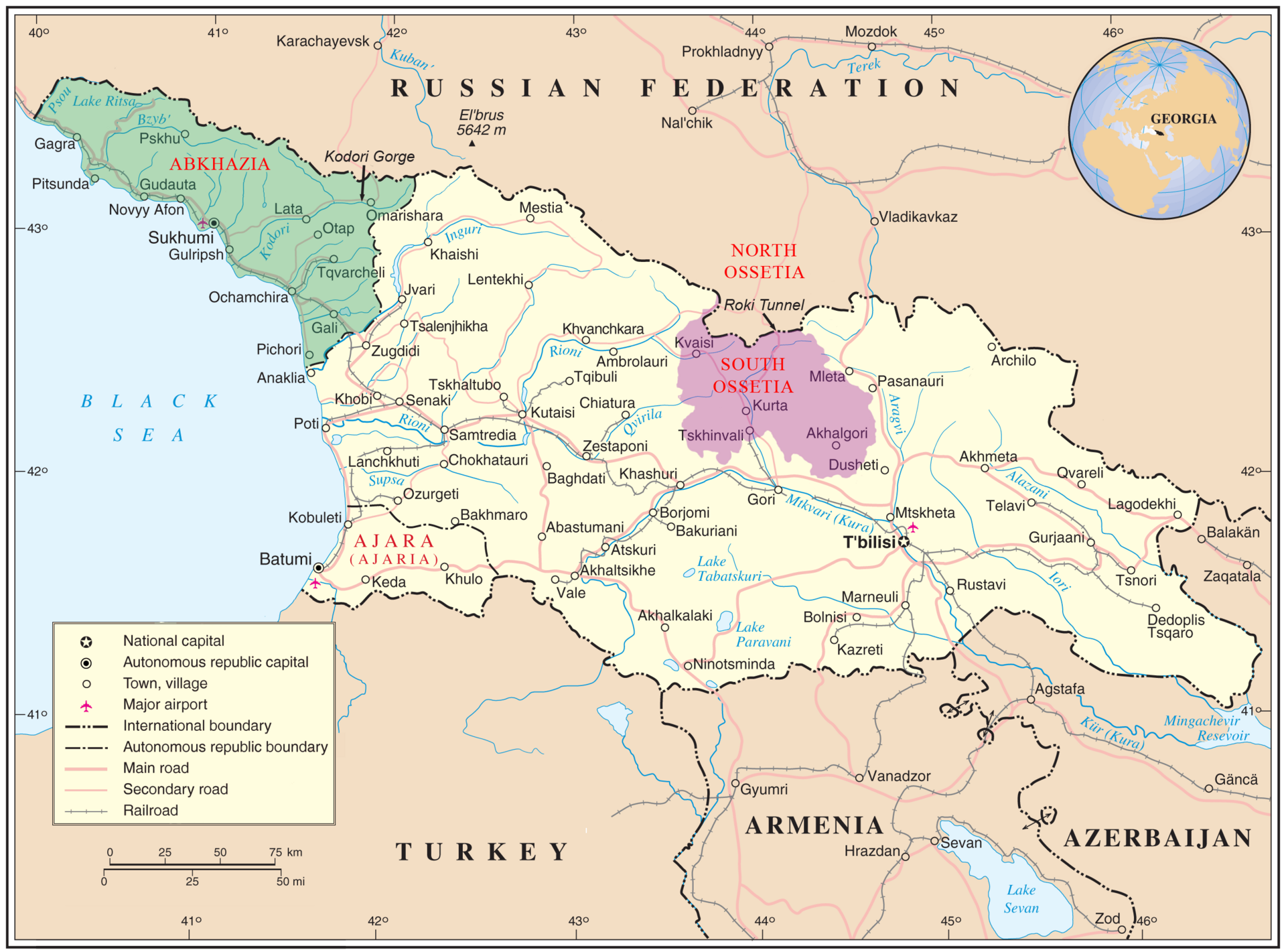
South Ossetia lies in the South Caucasus, north of Georgia. Its main city is Tskhinvali, and just across the mountains lies North Ossetia–Alania, a republic that is part of Russia.
And here we have one of the keys to this story: the two Ossetias share historical, cultural and linguistic ties, but today they are separated by an international border.
The Ossetian population speaks Ossetian, an Indo-European language belonging to the Iranian branch. Its cultural identity is distinct from Georgia’s, and for many Ossetians, their ties with people across the northern border are fundamental.
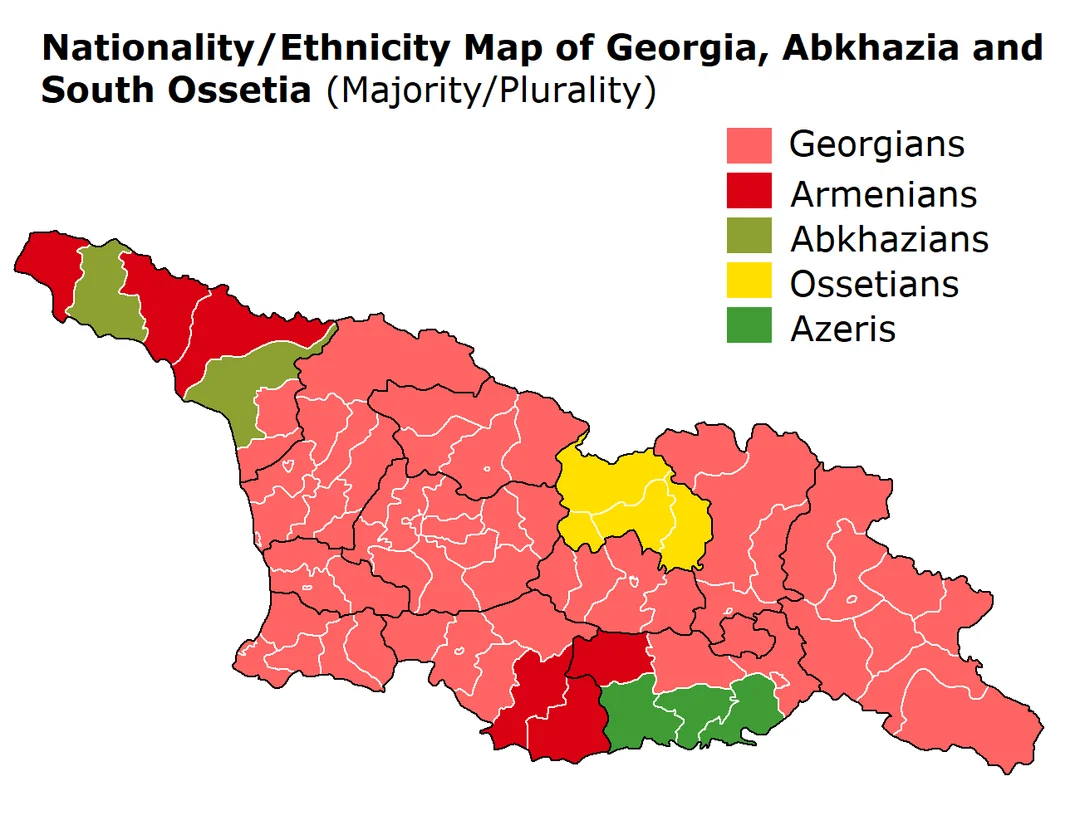
But sharing a language or a cultural identity does not mean everyone agrees on which country a territory should belong to.
Georgia considers South Ossetia part of its sovereign territory. Not everyone there agrees, of course. The separatist authorities defend the independence they proclaimed and maintain close ties with Russia.
As the Uppsala Conflict Data Program’s overview of the South Ossetian conflict explains, the region has become one of the major points of tension in the post-Soviet space.
To understand how things reached this point, we need to go back to the Soviet era.
The Soviet Legacy: Where the Trouble Began
For centuries, the peoples of the Caucasus were divided among different empires and administrations. The expansion of the Russian Empire gradually brought more territories in the region under Russian control, including areas inhabited by Ossetians.
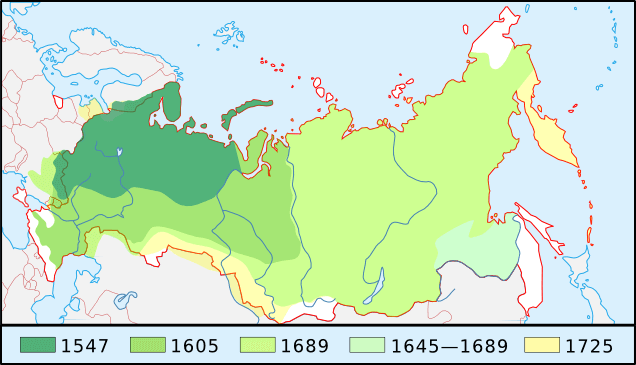
The roots of today’s situation, however, began to take shape during the twentieth century.
Following the Soviet takeover of Georgia, the South Ossetian Autonomous Oblast was established within the Georgian Soviet republic in 1922. North Ossetia, on the other side of the mountains, became part of Soviet Russia.
For decades, both regions belonged to the same country: the Soviet Union. Their administrative division existed, but it did not carry the same implications as an international border.
The problem arrived, as so often happens, when the Soviet Union began to fall apart. If you think about it, similar situations can be found in plenty of territories across the former USSR.
In the late 1980s, the desire for independence was growing in Georgia, while part of South Ossetia’s population feared losing its autonomy and being subjected to increasingly strong Georgian nationalism. Many Ossetians did not want to be part of Georgia because they did not identify as Georgian.
On 10 November 1989, the South Ossetian regional council asked for the territory to be upgraded from an autonomous oblast to an autonomous republic within Soviet Georgia, which would have given it a higher political status.
The Georgian authorities rejected the proposal a few days later. Tensions escalated, and on 23 November a demonstration by Georgian nationalists in Tskhinvali ended in clashes.
On 20 September 1990, local leaders proclaimed an independent republic. Tbilisi, Georgia’s capital, responded in December by abolishing the region’s autonomous status.
This decision made an already tense situation even worse.
The Soviet Union was about to disappear. And its old administrative boundaries were about to become something much more dangerous.
The First War: When the Dispute Turned Violent
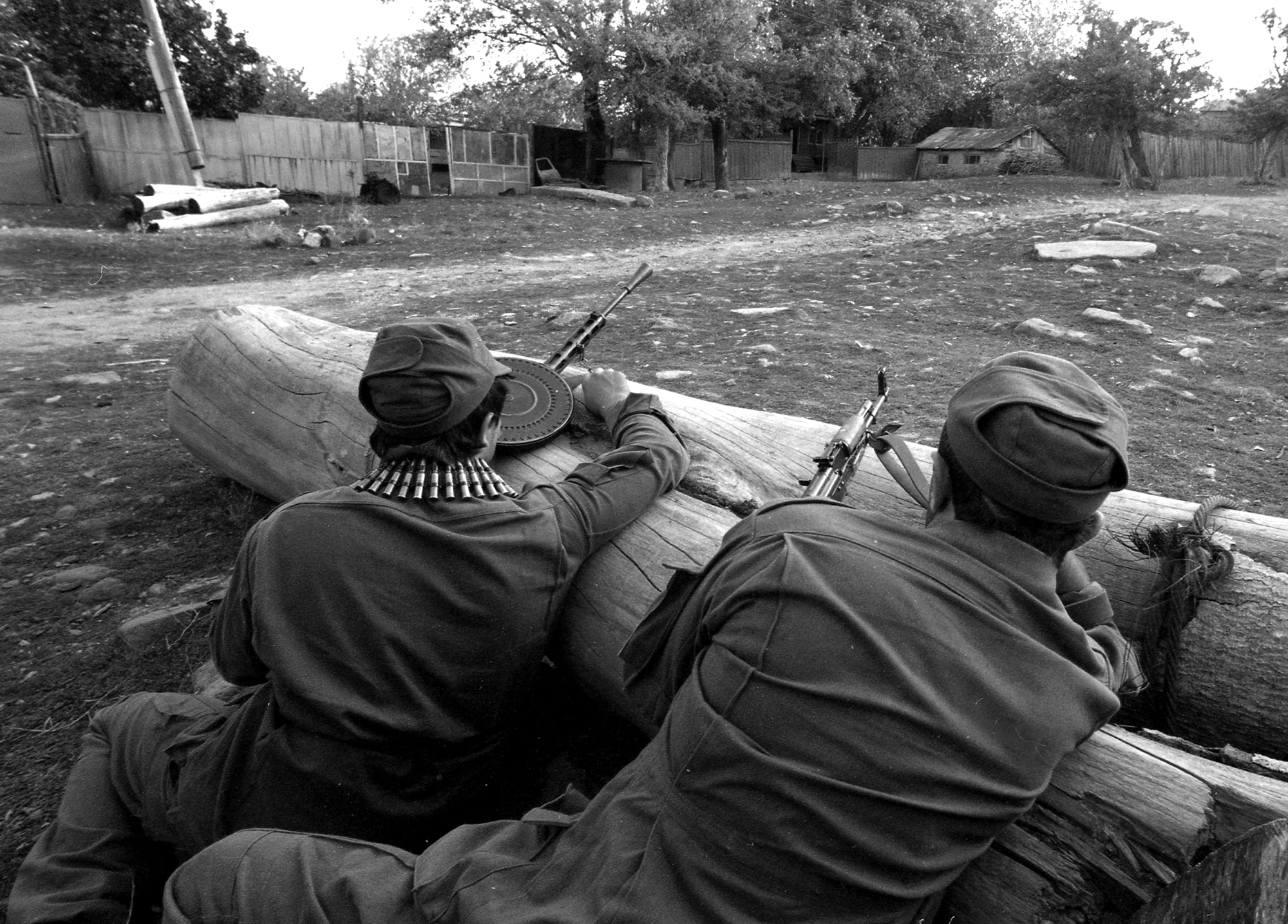
In January 1991, just as the person writing these lines was making his grand entrance into the world—born with wars already underway, apparently—Georgian forces attempted to enter Tskhinvali and clashed with Ossetian militias.
The war had begun, and it would continue until 1992.
On 19 January 1992, a referendum organized by the local authorities was held. According to the announced results, an overwhelming majority supported independence and reunification with Russia. Georgia did not take kindly to the vote and rejected its results.
The referendum reflected the political position of the Ossetian authorities and those who took part, but it did not resolve the conflict.
In June that year, a ceasefire was reached in Sochi, with Russia, Georgia and Ossetian representatives taking part. The agreement helped bring the fighting to an end, but it did not settle the fundamental question: who should control the territory?
South Ossetia remained under the control of separatist authorities, while Georgia continued to claim it as part of its territory.
The war was over, yes. But the conflict had not been resolved.
August 2008: The War That Changed the Caucasus
For years, the situation remained a fragile peace. There were negotiations, armed incidents and accusations on all sides, but no lasting political settlement.
In 2003, the Rose Revolution ushered in a new political era in Georgia. Mikheil Saakashvili promised to restore control over the breakaway territories, while tensions with Russia increased over Georgia’s international alignment.
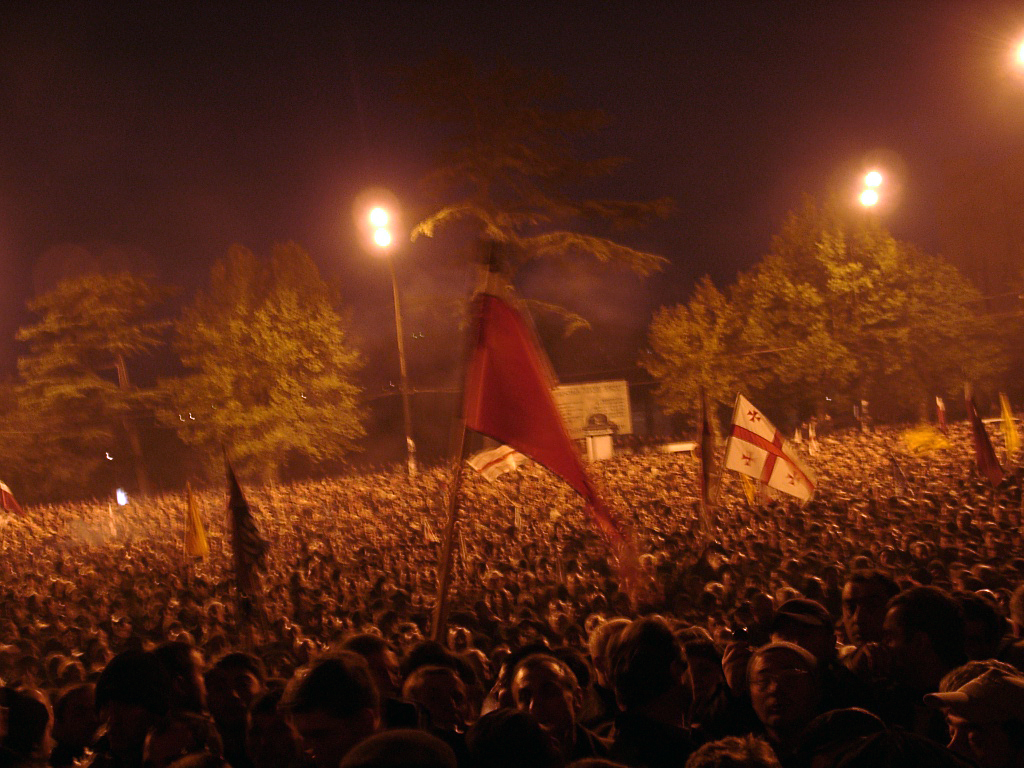
In the summer of 2008, clashes intensified. During the night of 7–8 August, Georgian forces launched a major military operation against Tskhinvali, the capital of South Ossetia.
Russia intervened on a massive scale. Its troops entered the region and advanced into other parts of Georgia, while air strikes and ground fighting took place.
The main phase of the war lasted around five days, although violence and insecurity continued after the initial ceasefire agreements.
The conflict left people dead and communities displaced on a massive scale. In its investigation, Human Rights Watch documented violations of the laws of war by Georgian, Russian and South Ossetian forces, including indiscriminate attacks.
On 26 August 2008, Russia formally recognized the independence of South Ossetia and Abkhazia, another breakaway region of Georgia.
Georgia rejected the decision, as did the overwhelming majority of the international community.
The war did not bring the conflict to an end. It had already been simmering for almost two decades. What the war did was consolidate a new reality on the ground.
So, Is South Ossetia a Country?
This is the million-dollar question.
South Ossetia has its own authorities, institutions and security forces. In practice, it operates separately from Georgia.
But there is an important difference between controlling a territory and getting other countries to recognize your independence.
Russia and a small number of other states recognize South Ossetia as independent: Venezuela, Syria and Nicaragua, in addition to Russia itself. Most of the international community, however, continues to regard it as part of Georgia.
Civil Georgia’s report on the recognition issue explains that Nauru withdrew its recognition in July 2026, leaving Russia, Nicaragua, Venezuela and Syria as the four countries continuing to recognize the region.
And there is another issue that sometimes gets pushed into the background: the people who had to leave their homes. The war displaced many ethnic Georgians who lived in South Ossetia and the surrounding areas.
Many have been unable to return. Amnesty International has documented the right to return and the protection of displaced people.
Since 2008, the administrative boundary lines have restricted movement and divided communities. The European Union Monitoring Mission in Georgia monitors the situation in the areas it can access, although it cannot enter territories controlled by the separatist authorities.
According to the UK Foreign, Commonwealth & Development Office, South Ossetia remains outside the control of Georgia’s government and under Russian military presence.
What Future Awaits South Ossetia?
To this day, nobody has found a solution acceptable to all sides.
Internationally recognized independence seems unlikely while Georgia opposes it and the majority of countries maintain their current position. Formal integration into Russia has not happened either.
Any reunification with Georgia would require security guarantees, political rights for the Ossetian population and a solution for those displaced by the conflict. After so many years of mistrust, restoring peaceful coexistence would be no easy task.
South Ossetia shares something with Transnistria and Abkhazia: that strange condition of a territory living between two realities—the one that exists on the ground and the one recognized by most of the international community.
Their stories are different, but they are all linked to the collapse of the Soviet Union and the unresolved conflicts it left behind.
Because some borders disappear from maps. Others remain for decades.
And some, like the one dividing South Ossetia from Georgia, are still waiting for a solution that never seems to arrive.
Thanks for joining us for another story from Historias Sin Portada.